Sewer line problems in Healdsburg can start with something as simple as a slow-draining sink or an occasional gurgling toilet. At first, these symptoms may seem like minor plumbing inconveniences. However, when multiple drains are affected or wastewater begins backing up, the problem could be deeper within your home’s sewer system.
For homeowners in Healdsburg, CA, recognizing the early warning signs can help prevent unnecessary water damage, sanitation concerns, and costly repairs. Whether you live in an older home or a newer property, knowing when to call a plumber is important. Dejusto Plumbing provides professional sewer line repair and other plumbing services throughout Sonoma County.
Your home’s main sewer line carries wastewater from toilets, sinks, showers, and other plumbing fixtures toward the public sewer connection or an onsite septic system. When this line becomes blocked, damaged, or restricted, wastewater may not flow away as intended.
Several conditions can contribute to sewer line problems:
Tree root intrusion: Roots may enter existing cracks or openings in underground sewer pipes and gradually obstruct wastewater flow.
Aging or deteriorating pipes: Older sewer lines can develop corrosion, cracks, misaligned joints, or other structural problems.
Grease and debris buildup: Cooking grease, wipes, and other materials can accumulate inside drain and sewer pipes.
Ground movement: Shifting soil or settling may affect underground pipe alignment or condition.
Improperly installed or damaged piping: Poor pipe slope, sagging sections, and damaged connections may interfere with drainage.
Not every drainage issue involves the main sewer line. A single clogged sink, for example, may only need localized drain cleaning. The symptoms and affected fixtures help determine where the problem may be located.
A slow drain is common, but when several fixtures begin draining poorly around the same time, it deserves closer attention.
For example, you may notice that the kitchen sink, bathroom shower, and laundry drain all take longer than usual to empty.
When several fixtures are affected, the restriction may be in a shared branch line or the main sewer line rather than a single fixture.
What to watch for: Slow drainage in multiple areas of the house, especially when the problem continues after basic fixture-level cleaning.
Wastewater backing up into a bathtub, shower, or floor drain is one of the more serious warning signs of a drainage or sewer problem.
Because lower-level fixtures may be affected first, a backup can sometimes appear in a shower or floor drain when another plumbing fixture is used.
Sewage can contain harmful microorganisms, so avoid direct contact with contaminated water.
What to do: Stop using affected plumbing fixtures, keep children and pets away from the contaminated area, and contact a qualified plumber. Do not continue flushing toilets or running water to test whether the backup has cleared.
Have you heard bubbling or gurgling sounds from a toilet when someone uses the shower or washing machine?
Unusual drain noises can occur when air movement through the drainage system is disrupted.
A partial blockage, venting issue, or other drainage problem may cause these sounds.
An occasional noise does not automatically confirm a sewer line failure. However, repeated gurgling combined with slow drains or backups is worth investigating.
What to watch for: Gurgling toilets, bubbling drains, or unusual noises that occur when other fixtures are used.
A properly functioning drainage system should not routinely allow sewer gases to enter living spaces.
If you notice persistent sewage-like odors near drains, bathrooms, utility areas, or outside the home, there may be a plumbing issue that needs attention.
Possible causes include a dry drain trap, a damaged pipe, a faulty seal, or problems with the sewer or vent system.
Important: Sewer odors do not always mean the main sewer line is broken. A professional evaluation can help identify the actual source.
If the same drain clogs repeatedly, or several drains need frequent clearing, the underlying issue may not have been fully resolved.
Temporary clearing methods can sometimes restore flow without addressing the reason the blockage keeps returning.
For example, root intrusion, damaged pipe sections, or recurring debris accumulation may contribute to repeated drainage problems.
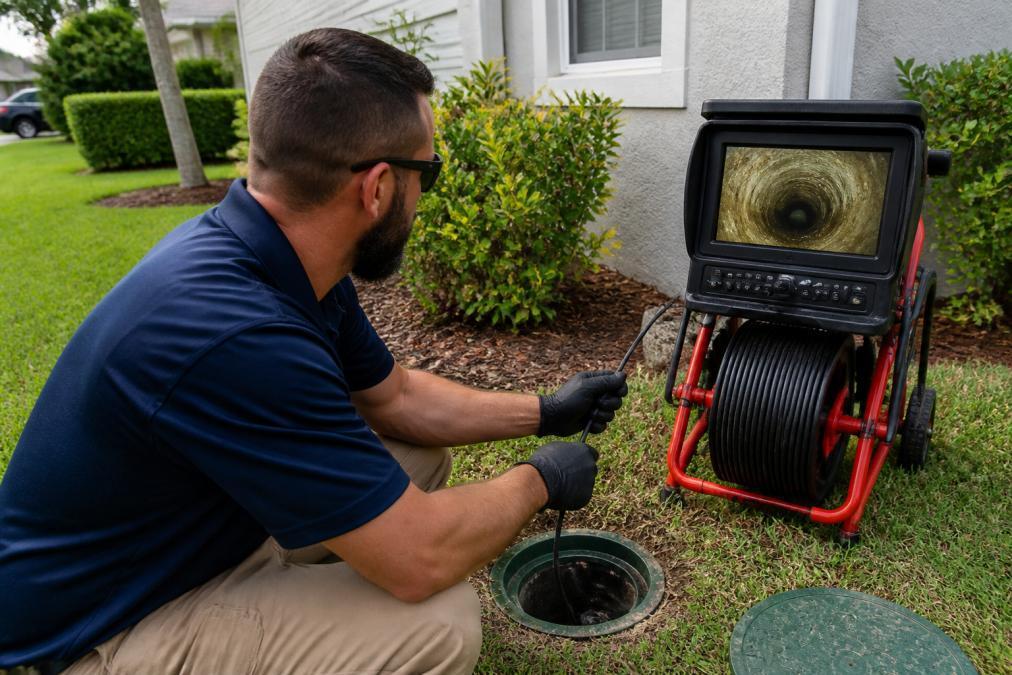
Rather than repeatedly relying on chemical drain cleaners, consider professional plumbing camera inspections when recommended by a plumber. A camera inspection can help reveal certain blockages and visible pipe defects from inside the line.
A damaged underground sewer line may sometimes allow wastewater to escape into the surrounding soil.
Depending on the location and severity of the problem, homeowners might notice persistently wet ground, unusual odors, or an area of vegetation that looks noticeably greener than the surrounding lawn.
However, these signs can also result from irrigation leaks, drainage conditions, or other underground water sources.
What to watch for: A recurring wet patch, sewage odor, or ground condition that cannot be explained by watering or recent rainfall.
Avoid digging around suspected underground utilities or sewer lines yourself.
Unusual interactions between plumbing fixtures can suggest a drainage problem.
For example, flushing a toilet might cause water to rise in a nearby shower drain, or using the washing machine might produce bubbling in a toilet.
These symptoms can indicate that wastewater is encountering resistance somewhere in the drainage system.
A plumber can evaluate whether the issue involves a localized branch line, a venting problem, or the main sewer connection.
Identifying the cause of a sewer problem is important before choosing a repair method.
A professional plumber may begin by asking which fixtures are affected, when symptoms occur, and whether the problem has happened before.
Depending on the situation, diagnostic steps may include:
Checking affected fixtures and accessible drain connections.
Evaluating whether the issue is localized or affects multiple fixtures.
Accessing an appropriate cleanout when available.
Using a sewer inspection camera when conditions permit.
Recommending clearing, repair, or replacement based on the findings.
A camera inspection can help locate some obstructions, root intrusion, and visible pipe damage. However, it may not identify every problem, and the pipe may need to be cleared before the camera can pass through.
The goal is to understand the cause rather than recommend unnecessary work.
Not every sewer-related symptom requires pipe replacement.
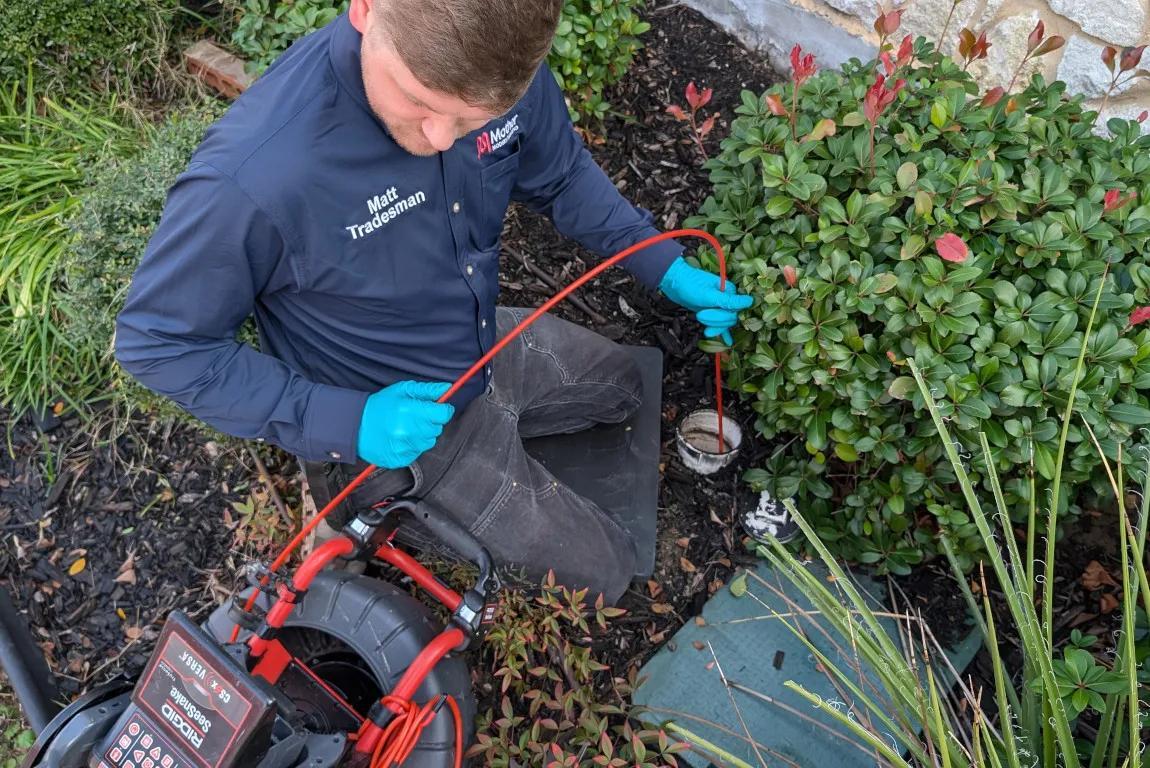
Drain cleaning focuses on removing or reducing obstructions so wastewater can flow properly again. Depending on the condition of the pipe and the type of blockage, a plumber may recommend appropriate mechanical cleaning or other professional methods.
Sewer line repair addresses problems involving damaged, leaking, misaligned, or deteriorated piping.
If the line is structurally sound and the problem is caused by an isolated obstruction, cleaning may be sufficient. If the pipe is cracked, collapsed, or repeatedly affected by structural defects, a repair or replacement may be necessary.
The best solution depends on the condition of the sewer line and the results of a proper inspection.
If you notice several of the warning signs above, take the following precautions:
Reduce water use if multiple fixtures are draining poorly.
Stop using plumbing fixtures if sewage is backing up.
Avoid pouring chemical drain cleaners into a backed-up system.
Keep people and pets away from wastewater.
Contact a professional plumber for an assessment.
If wastewater is near electrical outlets or equipment, stay clear of the affected area and seek appropriate professional assistance.
Early evaluation may help prevent a developing drainage problem from becoming a larger disruption.
Sewer line problems can be frustrating, particularly when they interrupt daily activities or create concerns about damage to your home.
Dejusto Plumbing serves homeowners in Healdsburg and surrounding Sonoma County communities. Whether you’re dealing with recurring clogs, slow drains, sewage odors, or possible underground pipe damage, our team can help you determine the appropriate next steps.
If you’re looking for a local plumber, learn more about our Healdsburg plumbing services or contact Dejusto Plumbing to discuss your concerns.
Call Dejusto Plumbing at (707) 322-9873 for assistance with sewer line and drainage problems in Healdsburg, CA.