
A plumbing leak does not always announce itself with water pouring from a broken pipe. Sometimes the first sign is a faint musty smell near a bathroom, a small stain on the ceiling, or a water bill that seems unusually high. By the time water becomes visible, moisture may have been collecting behind a wall, beneath flooring, or inside a cabinet for days or weeks.
For homeowners concerned about a hidden plumbing leak in Sebastopol, knowing what to look for can make a meaningful difference. A small leak can gradually damage drywall, insulation, flooring, and wood framing. Persistent moisture can also create conditions that support mold growth.
The challenge is that many warning signs have more than one possible cause. A damp wall might be caused by a leaking supply pipe, but it could also result from roof damage, condensation, or water entering around a window. Identifying the actual source is essential before making repairs.
Dejusto Plumbing helps Sonoma County homeowners investigate and repair water leaks. If you suspect a concealed leak, our professional plumbing repair services can help you determine what is happening and what needs attention.
This guide explains nine warning signs of hidden plumbing leaks, practical checks you can perform safely, and when professional leak detection is the right next step.
A hidden plumbing leak occurs when water escapes from part of a plumbing system in a location that is not immediately visible.
Unlike a dripping faucet or an overflowing sink, a concealed leak may develop inside a wall, beneath a floor, above a ceiling, or underground.
Common locations include:
Water supply pipes inside walls.
Plumbing connections beneath bathtubs and showers.
Pipes running through crawl spaces.
Water lines beneath concrete slabs.
Supply connections behind appliances.
Pipes in ceilings or between floors.
Underground water service lines.
Some leaks occur only when a fixture is used. Others continue even when every faucet and appliance is turned off.
A pressurized supply pipe may leak continuously, while a drainpipe leak may occur only when water flows through that particular drain.
This difference matters because it affects how a leak is detected.
For example, a water meter test may help identify a leak in the metered supply system, but it may not reveal a leaking drainpipe that only releases water when someone takes a shower.
Understanding these distinctions helps homeowners avoid relying on a single test.
One of the most useful warning signs is a water bill that rises without an obvious change in household activity.
If your household has not added occupants, increased irrigation, or used substantially more water, an unexplained increase deserves attention.
A leaking toilet, underground supply line, or concealed pipe can consume water even when nobody is using a fixture.
Start by comparing several billing periods rather than focusing on one unusually high bill.
Also consider seasonal changes, estimated meter readings, outdoor watering, and billing adjustments.
A higher bill does not automatically mean you have a hidden leak, but it can be an early clue.
What to do: Check for running toilets, dripping fixtures, and irrigation problems before investigating concealed plumbing.
If the cause remains unclear, a water meter check may help narrow down the possibilities.
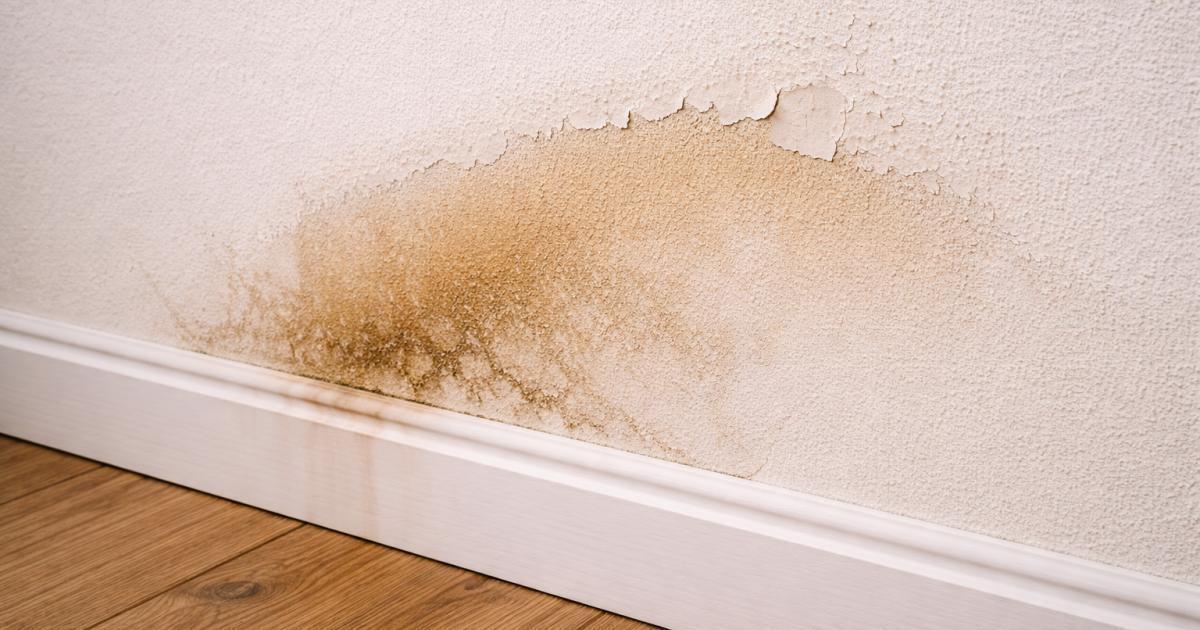
A yellowish, brown, or dark stain on drywall can indicate that moisture has entered the material.
You might notice a small circular stain that gradually expands or a discolored area near a bathroom, laundry room, or kitchen.
In some cases, the stain appears far from the actual leak because water travels along framing, pipes, or other surfaces before becoming visible.
Possible warning signs include:
New ceiling discoloration.
Damp patches on painted walls.
Stains that grow after using a shower.
Moisture near plumbing fixtures.
Water marks beneath an upstairs bathroom.
Not every stain comes from plumbing. Roof leaks, condensation, and exterior water intrusion can produce similar symptoms.
If a stain is growing or feels damp, arrange an inspection rather than simply painting over it.
A persistent musty smell can indicate moisture accumulating in a poorly ventilated area.
Bathrooms, laundry rooms, under-sink cabinets, and enclosed wall cavities are common places where dampness may go unnoticed.
A musty odor alone does not prove a pipe is leaking.
However, it becomes more concerning when combined with water stains, peeling paint, or damp building materials.
Pay attention to odors that return shortly after cleaning or become stronger after a fixture is used.
If you suspect mold or significant hidden moisture, avoid opening contaminated materials without appropriate precautions.
The priority is to identify and stop the moisture source before repairing affected surfaces.
Water can gradually weaken paint, drywall, wood, and other interior finishes.
As moisture enters these materials, you may notice:
Paint bubbling or blistering.
Wallpaper peeling away from the wall.
Soft or swollen drywall.
Warped baseboards.
Cracked or separating trim.
Cabinet panels beginning to swell.
These changes often develop slowly.
A small patch of bubbling paint behind a bathroom vanity might appear cosmetic, but moisture could be accumulating inside the wall.
Before replacing damaged materials, determine why they became wet.
Otherwise, new paint or drywall may be damaged again.
Water escaping beneath flooring can cause visible or subtle changes.
Depending on the floor material, you might notice discoloration, soft spots, lifting edges, or a persistent damp area.
Some hot-water pipe leaks can create an unusually warm section of flooring.
However, warm floors can also result from sunlight, heating systems, or other ordinary conditions.
A warm spot is therefore a clue, not a diagnosis.
If flooring feels damp or changes shape without a clear explanation, the underlying moisture should be investigated.
For homes with slab foundations, identifying the leak location may require specialized testing.
Avoid pulling up flooring or breaking concrete based only on where the surface feels warm.
A faint hissing, trickling, or flowing sound inside a wall may indicate water moving through plumbing.
Before assuming a hidden leak, check whether a toilet is refilling, an appliance is operating, or an irrigation system is running.
Water heaters, pressure regulators, and other equipment can also create sounds that are easy to mistake for leaks.
If the noise continues when all known fixtures and appliances are off, it may warrant further investigation.
Try to identify when the sound occurs.
Does it happen continuously, or only after someone uses a particular bathroom?
This information can help a plumber determine whether the issue involves a pressurized water line, drainpipe, or another component.
A significant leak in a water supply line can sometimes reduce the pressure available at plumbing fixtures.
You may notice weaker shower flow, a slower-filling washing machine, or reduced water pressure at several faucets.
However, low water pressure has many possible causes.
Clogged aerators, partially closed valves, pressure regulator problems, municipal supply changes, and aging piping can produce similar symptoms.
If the pressure suddenly drops throughout your home, especially alongside unexplained water use, investigate promptly.
If only one faucet has weak flow, the problem may be localized rather than related to a concealed leak.
Not all hidden leaks occur inside the house.
Underground water service lines, outdoor plumbing connections, and irrigation systems can leak beneath the ground.
Possible warning signs include:
A consistently wet patch of soil during dry weather.
Water pooling where there is no obvious drainage source.
Unexpectedly lush grass in one small area.
Soil erosion near a buried water line.
A sudden change in water pressure.
Outdoor moisture can also result from irrigation, rainwater drainage, or natural groundwater conditions.
For properties with larger yards or buried water lines, professional leak detection may help determine whether the water is coming from the plumbing system.
A recurring damp patch is often more concerning than a one-time spill.
For example, a bathroom cabinet may dry out after cleaning but become damp again several days later.
A ceiling stain may appear to stop growing, only to return after the upstairs shower is used.
These patterns suggest that the moisture source may still be active.
Try to document when the problem occurs and which fixtures were used beforehand.
Photographs taken over several days can help show whether the affected area is changing.
Repeated moisture should not be ignored simply because the surface temporarily dries.
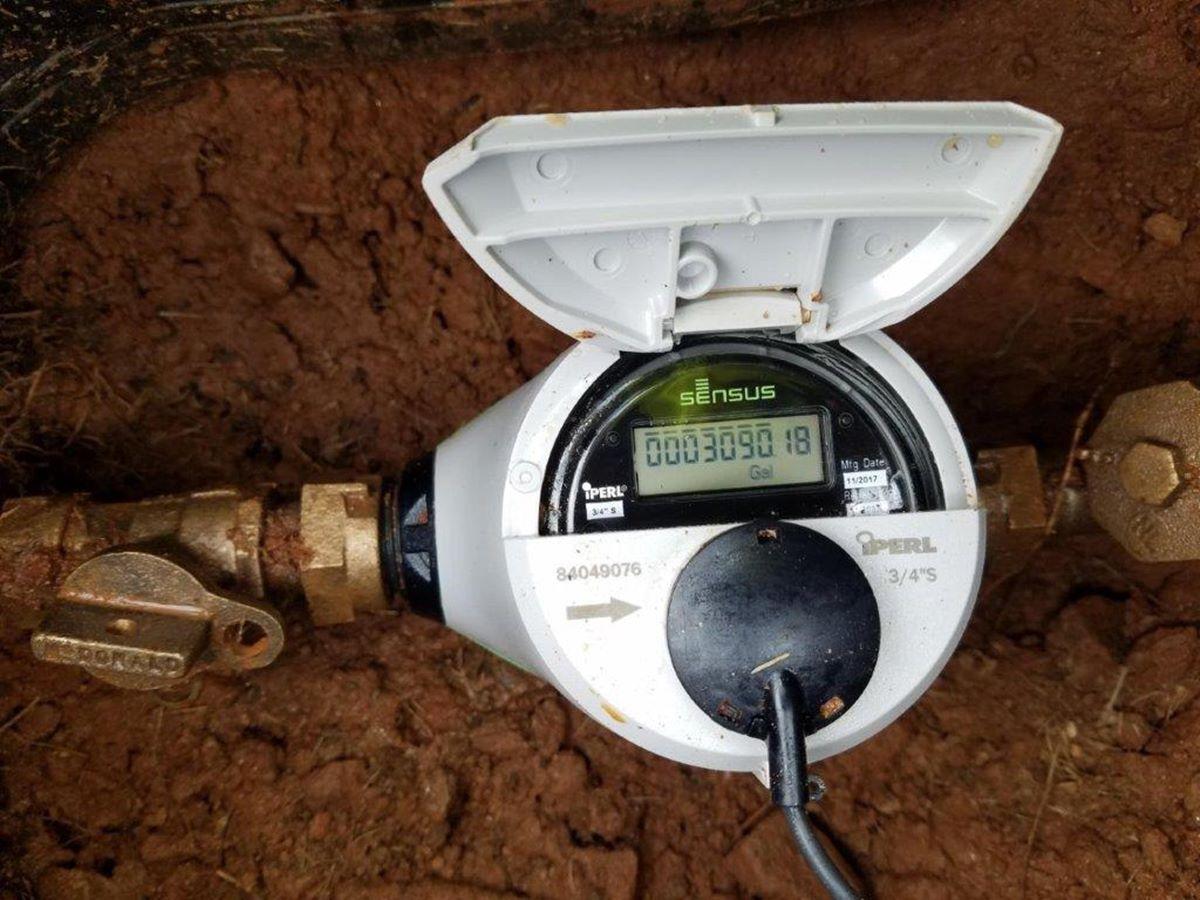
A water meter test can help determine whether water is flowing through your metered supply when you believe all water use has stopped.
It is a useful screening method, but it does not identify the precise location of a leak.
Make sure all faucets, showers, and outdoor hoses are turned off.
Confirm that dishwashers, washing machines, irrigation systems, and other water-using equipment are not running.
Wait for toilets to finish refilling.
If your home uses a municipal water supply, the meter may be located in a ground-level box near the property boundary or another designated location.
The exact location varies by property.
Some rural homes use private wells and may not have a municipal water meter.
Do not open sealed utility equipment or disturb components you are not authorized to access.
Some meters have a small flow indicator that moves when water passes through the meter.
Digital meters may show a flow rate or other usage information.
If the indicator continues moving while all known water use is off, water may still be flowing somewhere in the metered system.
Write down the reading or take a photograph.
Keep all water use off for approximately 15 to 30 minutes.
Then check the reading again.
If the reading has increased, investigate whether a toilet, appliance, irrigation system, or another fixture used water during the test.
If the meter shows continued use and no fixture should be operating, there may be an active leak.
However, the test cannot tell you whether the leak is under a slab, behind a wall, underground, or at an accessible fixture.
It also may not detect a drain leak that occurs only when wastewater flows.
Important: Do not turn utility valves or disassemble meter equipment unless you know the proper procedure and are permitted to do so.
A plumber can help isolate parts of the system and determine where the water loss is occurring.
Not every damp surface is caused by a leaking pipe.
This distinction is especially important because repairing plumbing will not solve moisture entering through a roof, window, or exterior wall.
| Symptom | Possible source | Useful next step |
|---|---|---|
| Water appears after using a shower | Supply connection, shower enclosure, or drain | Inspect shower-related components |
| Stain grows during rainfall | Roof, window, or exterior water intrusion | Check the building envelope |
| Moisture forms on cold pipes | Condensation | Evaluate humidity and insulation |
| Water meter shows flow with fixtures off | Possible metered supply leak | Investigate water-using systems |
| Cabinet becomes wet only when sink drains | Possible drain or connection leak | Inspect the sink drain assembly |
| Damp area persists during dry weather | Plumbing, groundwater, or another moisture source | Arrange targeted inspection |
These observations help narrow the possibilities, but they do not replace a professional diagnosis.
If you are unsure whether moisture is coming from plumbing or the building exterior, document when it appears and seek the appropriate inspection.
Showers, bathtubs, toilets, and sinks often have supply and drain connections concealed by finished walls.
A loose fitting, deteriorated seal, or damaged pipe can release moisture into the wall cavity.
Cabinet interiors can conceal small leaks around supply connections, shutoff valves, faucet hoses, and drain fittings.
Check for swelling, staining, or moisture beneath stored items.
Washing machine supply hoses and connections can leak behind appliances where water is not immediately visible.
Inspect accessible hoses periodically and avoid moving heavy appliances without help.
Leaks can develop at water heater connections, valves, and nearby piping.
Moisture around the unit should be investigated because the source may be the water heater itself or a connected pipe.
Some homes have water supply piping routed beneath or through slab foundations.
A leak in these lines may cause water loss without an obvious visible source.
Professional testing may be needed before any concrete is opened.
An underground service line can leak beneath a driveway, lawn, or landscaped area.
The location and ownership of the affected line depend on the property’s utility arrangement.
A plumber can help determine which portion of the system needs inspection.
Sebastopol includes older residential properties, remodeled homes, newer construction, and rural properties with different water supply arrangements.
The age and layout of a home’s plumbing system can affect where leaks develop and how they are detected.
For example, an older property may contain a mixture of original piping and newer plumbing installed during renovations.
A rural property may use a private well or have long underground water lines that require a different inspection approach from a typical municipal connection.
None of these characteristics automatically means a home has defective plumbing.
Instead, they illustrate why leak detection should be based on the actual property rather than assumptions about its age or neighborhood.
If you live in Sebastopol or a nearby community, Dejusto Plumbing provides local plumbing services throughout the area. Visit our Sebastopol plumbing service page for more information.
When a leak is hidden, the goal is to locate the source accurately before opening walls, removing flooring, or excavating outside.
A professional inspection generally begins with questions about the symptoms.
The plumber may ask when the moisture first appeared, whether the water bill changed, and which fixtures seem connected to the problem.
The first step often involves checking accessible fixtures, shutoff valves, supply connections, and visible piping.
Sometimes the source is simpler than expected, such as a loose connection beneath a sink.
A plumber may test the water supply or isolate different sections of the system to determine where water loss is occurring.
The exact method depends on the plumbing layout and suspected leak.
Moisture meters can help identify damp building materials and track the extent of moisture.
These tools indicate moisture conditions but do not independently prove which pipe is leaking.
Specialized listening equipment may help locate the sound created by water escaping from a pressurized pipe.
Its effectiveness depends on pipe material, leak size, background noise, and other conditions.
Infrared cameras can reveal temperature differences that may be associated with moisture or a hot-water leak.
However, a thermal image does not directly show water inside a wall and should be interpreted alongside other evidence.
After identifying the likely source, the plumber can explain the repair options.
Some leaks require replacing a small pipe section or fitting. Others may involve access through drywall, flooring, or an exterior excavation.
The objective is to address the actual cause while avoiding unnecessary demolition.
Dejusto Plumbing’s general plumbing repair service includes troubleshooting and leak-related repairs throughout Sonoma County.
If you find water actively entering your home, prompt action can help limit further damage.
If the leak is connected to a fixture, use its local shutoff valve if it operates normally.
For a major supply leak, you may need to turn off the home’s main water shutoff.
Do not force a damaged valve.
Water near outlets, wiring, electrical panels, or appliances can create serious hazards.
Do not touch wet electrical equipment or stand in water while operating switches.
If electrical safety is uncertain, keep clear and contact a qualified professional.
Move furniture, documents, and other valuables away from affected areas when it is safe to do so.
Avoid disturbing ceilings or walls that appear swollen or structurally unstable.
Take photographs of visible water, staining, and damaged materials.
Keep relevant repair records and water bills if you need them for future reference.
A professional plumber can assess the source, recommend the appropriate repair, and help prevent continued water loss.
If the leak is severe or water is spreading rapidly, consider Dejusto Plumbing’s emergency plumbing services.
Stopping the leak is only part of the solution.
Wet materials may require drying, cleaning, or replacement, depending on the extent of the damage.
If significant moisture or suspected mold is present, qualified restoration professionals may be needed.
Yes. The risk depends on the leak rate, duration, location, and materials affected.
A small leak inside a wall may remain unnoticed while moisture accumulates in insulation or drywall.
Even if the leak does not cause immediate flooding, prolonged dampness can damage finishes and building materials.
The U.S. Environmental Protection Agency recommends controlling moisture promptly because damp environments can support mold growth.
The agency’s mold and moisture guidance explains why addressing the water source is important.
Another useful resource is the EPA’s Fix a Leak Week information, which explains how common household leaks can contribute to unnecessary water consumption.
These resources reinforce a practical point: finding and correcting the source of water is more effective than repeatedly repairing the visible symptoms.
Water loss varies considerably.
A very small leak may have little visible impact at first, while a larger supply line leak can waste substantial amounts of water.
The following figures are illustrative calculations, not estimates of a typical household leak.
| Continuous leak rate | Water lost per day | Water lost in 30 days |
|---|---|---|
| 0.05 gallons per minute | 72 gallons | 2,160 gallons |
| 0.1 gallons per minute | 144 gallons | 4,320 gallons |
| 0.5 gallons per minute | 720 gallons | 21,600 gallons |
Your actual water bill depends on local rates, billing tiers, and the amount of water lost.
A small leak can also cause building damage disproportionate to the volume of water involved, especially when it remains concealed.
That is why visible moisture and recurring stains deserve attention even when your water bill has not changed significantly.
No maintenance routine can eliminate every plumbing failure, but a few habits can help homeowners recognize problems earlier.
Check beneath kitchen and bathroom sinks periodically for dampness, corrosion, or swelling.
Inspect visible washing machine hoses and other accessible supply connections.
Replace damaged components according to manufacturer recommendations.
Knowing how to stop the water supply can save valuable time during an unexpected leak.
Look for unexplained changes in water consumption, especially when household routines remain consistent.
Do not ignore recurring stains, musty odors, or warped materials.
Inspect accessible hose connections, irrigation equipment, and exposed water lines for signs of leakage.
If you repeatedly notice unexplained moisture or water use, a professional plumbing assessment can help identify the cause before it becomes more disruptive.