A clogged drain can start as a minor inconvenience, but it may eventually lead to standing water, unpleasant odors, or plumbing backups. For homeowners in Rohnert Park, CA, understanding what causes drain blockages can help prevent recurring problems and unnecessary damage.
Whether you’re dealing with a slow kitchen sink, a backed-up shower, or multiple drains that aren’t working properly, it’s important to identify the underlying issue. Dejusto Plumbing helps homeowners throughout Rohnert Park and Sonoma County address common plumbing problems, including stubborn drain clogs and related plumbing concerns.
Most clogged drains develop gradually as everyday materials accumulate inside the pipes. However, some blockages can occur deeper in the plumbing system and may require professional attention.
Here are seven common causes of clogged drains.
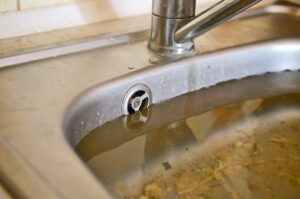
Cooking grease, oils, and food scraps are common causes of kitchen sink blockages.
Even when grease enters a drain as a liquid, it can cool and stick to the inside of pipes. Over time, additional debris can collect around the buildup and restrict water flow.
To reduce kitchen clogs, avoid pouring cooking oil or grease down the sink and use a drain strainer to catch food particles.
Bathroom sinks, showers, and bathtubs frequently develop clogs from hair, soap residue, and personal care products.
These materials can collect inside drain openings and pipes, gradually slowing drainage.
A simple drain screen can help catch hair before it enters the plumbing system. Regular cleaning around the drain opening can also reduce buildup.
Toilets are designed to handle human waste and toilet paper—not wipes, paper towels, cotton products, or other household items.
Even products marketed as flushable may contribute to blockages.
If your toilet frequently clogs or requires repeated plunging, there may be a restriction in the toilet trap or drainage line that needs attention.
Minerals and sediment can contribute to restrictions in certain plumbing systems over time.
When buildup combines with grease, soap residue, or other debris, drainage problems may become more noticeable.
However, not every slow drain is caused by mineral deposits. A proper diagnosis is important before choosing a cleaning or repair method.
Tree roots can sometimes enter underground sewer pipes through damaged joints, cracks, or other openings.
Once inside, roots may grow and trap waste, causing recurring blockages.
Potential warning signs include repeated drain backups, multiple slow fixtures, and sewer odors.
Professional sewer inspection may be needed to determine whether root intrusion or another underground issue is responsible.
Drain pipes can deteriorate, shift, or become damaged over time.
Some older plumbing systems may develop internal corrosion, misaligned joints, or other restrictions that interfere with normal drainage.
If the same drain repeatedly becomes clogged despite cleaning, the issue may involve the pipe itself rather than ordinary household debris.
A main sewer line blockage can affect multiple plumbing fixtures throughout a home.
Unlike a localized sink or shower clog, a sewer line problem may cause wastewater to back up through lower-level fixtures.
If several drains are slow or backing up simultaneously, avoid continuing to use large amounts of water until the issue has been evaluated.
Some drain problems are easy to recognize, while others develop gradually.
Watch for these warning signs:
Slow drainage: Water takes longer than normal to leave sinks, showers, or bathtubs.
Frequent clogs: The same fixture becomes blocked repeatedly.
Gurgling sounds: Bubbling or unusual noises occur when water drains.
Unpleasant odors: Persistent smells come from drains or nearby plumbing fixtures.
Standing water: Water remains in a sink, tub, or shower after use.
Multiple affected drains: Several fixtures develop drainage problems at the same time.
A single slow sink may have a localized blockage, but multiple affected fixtures can indicate a more serious issue.
Some minor clogs can be addressed with simple maintenance.
For example, removing visible hair from a shower drain, cleaning a removable sink stopper, or carefully using an appropriate plunger may restore normal drainage.
However, homeowners should avoid forcing tools deep into pipes or repeatedly using harsh chemical drain cleaners. Some products can create safety hazards, and improper use of drain-cleaning tools may damage plumbing components.
If a clog keeps returning, the best solution is to identify why the blockage is occurring.
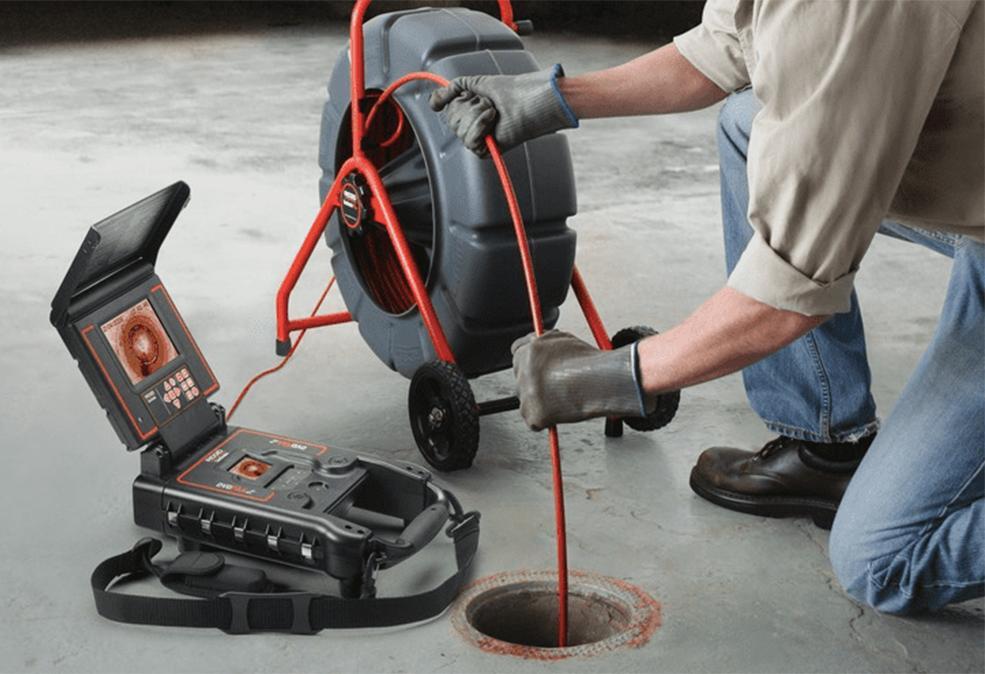
Not every slow drain requires immediate professional service. However, certain symptoms suggest that the problem may be more complicated.
Consider contacting a plumber when:
A clog returns shortly after being cleared.
Multiple fixtures are draining slowly.
Wastewater backs up into a tub, shower, or floor drain.
A toilet repeatedly overflows or becomes blocked.
Sewer odors persist.
You suspect damaged pipes or tree root intrusion.
If wastewater is backing up into your home, stop using the affected plumbing fixtures and arrange professional assistance promptly.
A plumber can evaluate the symptoms and recommend an appropriate solution based on the actual cause.
Although not every plumbing blockage can be prevented, a few simple habits can reduce the likelihood of recurring clogs.
Keep grease out of kitchen sinks. Dispose of cooking oils and grease in a suitable container rather than washing them down the drain.
Install drain strainers. Screens can help catch hair and food particles before they enter pipes.
Be careful what you flush. Only flush human waste and toilet paper.
Address slow drains early. A drain that gradually becomes slower may be developing a blockage.
Pay attention to recurring problems. Repeated clogs may indicate a deeper issue that needs inspection.
Preventive habits can help keep household plumbing functioning properly, but professional diagnosis may still be necessary when problems persist.
A recurring drain clog can disrupt your daily routine and may indicate a larger plumbing problem. Whether you’re experiencing a slow sink, a blocked shower, or signs of a sewer line issue, understanding the cause is the first step toward a lasting solution.
Dejusto Plumbing serves homeowners in Rohnert Park and surrounding Sonoma County communities, providing experienced plumbing assistance and straightforward recommendations.
If you’re dealing with clogged drains in Rohnert Park, call Dejusto Plumbing at (707) 322-9873 to discuss your plumbing concerns and schedule service.