A toilet that keeps running might seem like a small household annoyance, but the sound of water continuously flowing into the bowl can point to a problem inside the toilet tank. Sometimes the noise stops after a few minutes. Other times, the toilet runs all day, even when nobody has used it.
For homeowners in Windsor, California, a running toilet is worth investigating because it can waste treated water, increase utility costs, and gradually wear out internal toilet components. The good news is that many running toilet problems have identifiable causes, including a worn flapper, an incorrectly adjusted float, or a malfunctioning fill valve.
If you are dealing with a running toilet in Windsor, understanding what happens inside the tank can help you decide whether a simple adjustment is enough or professional repairs are needed.
Dejusto Plumbing provides faucet, sink, and toilet repair services throughout Windsor and Sonoma County. Before scheduling service, here is what you should know about the most common causes of a toilet that will not stop running.
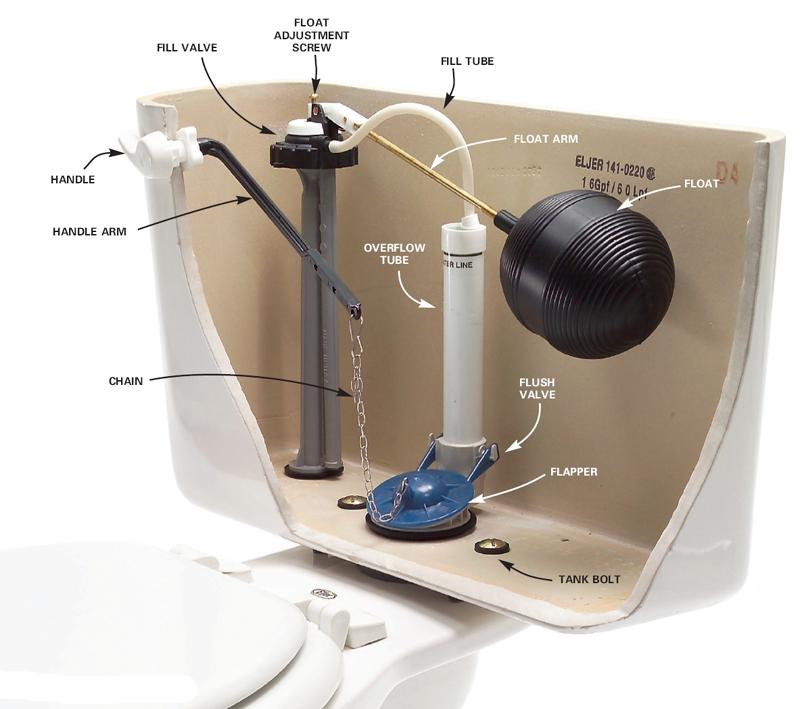
To understand why a toilet keeps running, it helps to know how a standard gravity-flush toilet works.
When you press the flush handle, a chain lifts a rubber flapper or another flush seal at the bottom of the tank. Water flows from the tank into the bowl, carrying waste through the drain.
As the tank empties, the flapper falls back into place. The fill valve then allows fresh water into the tank. A float rises with the water level and eventually tells the fill valve to shut off.
The refill tube also sends a small amount of water into the overflow tube to restore the proper water level in the bowl.
When everything is working properly, the toilet becomes quiet shortly after flushing.
A running toilet occurs when this process does not finish correctly. Water may leak from the tank into the bowl, the fill valve may fail to close, or the water level may rise high enough to spill into the overflow tube.
A damaged or deteriorating flapper is one of the most common causes of a running toilet.
The flapper is a rubber or flexible seal that covers the flush valve opening at the bottom of the tank. Its job is to prevent water from escaping into the toilet bowl between flushes.
Over time, the material can harden, warp, crack, or develop mineral deposits that prevent a watertight seal.
Common warning signs include:
The toilet runs intermittently without being flushed.
You hear the tank refill unexpectedly.
Water slowly moves into the bowl.
The flapper looks brittle, misshapen, or damaged.
A poorly sealing flapper allows tank water to escape gradually. When the water level drops, the fill valve activates to replace it.
This repeated filling cycle can continue for hours without anyone noticing.
What you can check: Remove the tank lid carefully and inspect the flapper. If it does not sit flat or appears damaged, replacement may be necessary.
Choose a replacement compatible with the toilet’s flush valve and manufacturer specifications.
The float controls when the fill valve shuts off.
If the float is adjusted too high, water can continue entering the tank until it reaches the overflow tube.
Instead of shutting off, the toilet sends excess water through the overflow tube and into the bowl.
Signs of an incorrect float setting:
Water is visibly entering the overflow tube.
The toilet runs continuously after flushing.
The tank water level appears unusually high.
Adjusting the float changes the running sound.
Most modern toilets use a float cup that moves along the fill valve shaft. Older toilets may use a ball float attached to a metal or plastic arm.
What you can check: Compare the water level with the manufacturer’s indicated fill line. If the water is above the recommended level, the float may need adjustment.
Avoid forcing plastic adjustment parts, especially on older assemblies that have become brittle.
The fill valve controls the supply of fresh water entering the toilet tank.
When it begins to fail, it may allow water to flow even after the tank has reached the correct level.
A malfunctioning fill valve can cause a continuous hissing sound, slow tank refilling, or water spilling into the overflow tube.
Possible causes include internal wear, debris, damaged seals, or a valve that no longer closes reliably.
Warning signs include:
A persistent hissing sound after flushing.
Water continuing to enter the tank.
A float that rises normally but does not stop the water.
Inconsistent refill times.
Sometimes a fill valve can be cleaned or adjusted. In other cases, replacing the assembly is the more reliable option.
If the toilet continues running after the water level has been correctly adjusted, a defective fill valve becomes more likely.
The small chain connecting the flush handle to the flapper has an important job.
If the chain is too short, it can hold the flapper slightly open. Even a small opening allows water to escape from the tank into the bowl.
If the chain is too long, it can become trapped beneath the flapper or interfere with the flushing mechanism.
Both situations can prevent the flush valve from sealing properly.
What you can check:
Make sure the chain is not tangled.
Confirm it is not caught under the flapper.
Look for a small amount of slack when the flapper is closed.
Check whether the handle returns to its normal resting position.
A minor chain adjustment may solve the problem without replacing any parts.
However, if the flapper itself is worn, adjusting the chain will not restore the damaged seal.
The overflow tube is a vertical pipe inside the toilet tank.
Its purpose is to direct excess water safely into the bowl if the tank fills beyond the intended level.
If the water continuously flows into this tube, the problem is often related to the float or fill valve.
A cracked overflow tube can also allow water to leak from the tank into the bowl, even when the tank water level looks normal.
Look for visible cracks, loose connections, or water entering the overflow tube continuously.
Some overflow tube problems require replacing the flush valve assembly rather than making a simple adjustment.
Because that repair can involve removing the tank, professional assistance may be appropriate.
Minerals and sediment in household water can gradually collect on plumbing fixtures and internal toilet components.
These deposits may interfere with moving parts, prevent a valve from closing, or create an uneven sealing surface.
In Windsor homes, the extent of mineral buildup depends on the household’s water source, treatment, and plumbing conditions. It should not be assumed that every running toilet is caused by hard water.
Possible signs include:
White or chalky deposits around tank components.
A sticky or sluggish fill valve.
Visible buildup near the flapper seat.
Repeated running after adjustments.
If mineral buildup is minor, careful cleaning of accessible components may help.
Avoid pouring harsh drain cleaners or unapproved chemicals into the toilet tank. They can damage rubber seals and other internal components.
If deposits repeatedly affect the mechanism, a plumber can inspect the fixture and recommend an appropriate repair.
Toilet tank components are exposed to water every day.
Even when a toilet bowl and tank remain in good condition, the internal rubber seals, plastic valves, gaskets, and moving parts eventually wear out.
Older toilets may experience several small failures at once.
For example, replacing a flapper might stop one leak, but an aging fill valve could continue causing intermittent running.
This is why repeatedly replacing individual parts without identifying the actual problem can become frustrating.
If your toilet has needed several repairs recently, it may be worth evaluating the condition of the entire tank mechanism.
Not every running toilet makes a constant sound.
Some toilets lose water slowly and refill only occasionally. This is sometimes called a phantom flush because the toilet appears to flush or refill by itself.
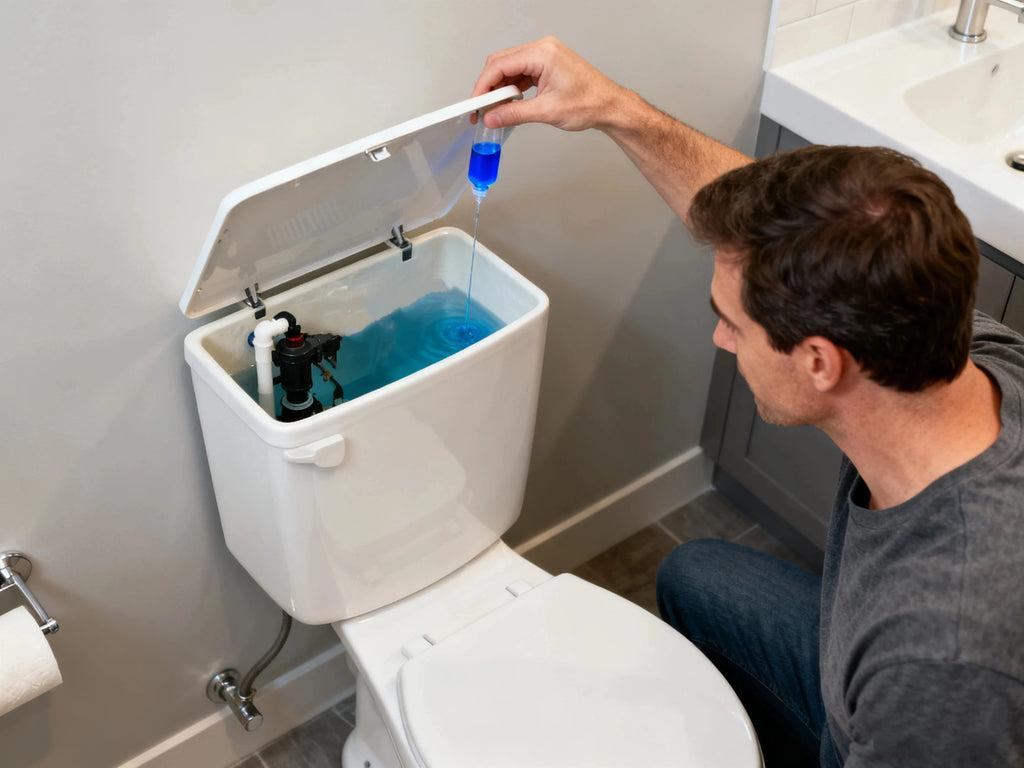
A simple dye test can help identify an internal leak.
Remove the tank lid carefully and place it somewhere secure.
Wait until the toilet finishes its normal refill cycle.
Add several drops of food coloring or a toilet leak-detection dye tablet to the tank water.
Do not flush the toilet.
Wait approximately 15 to 30 minutes.
Check the water inside the toilet bowl.
If colored water appears in the bowl without flushing, water is leaking from the tank into the bowl.
The flapper or another flush-valve seal is a common cause, although the test does not identify the exact defective part.
If no dye appears, the toilet may still have an intermittent fill-valve problem that requires further observation.
This test is inexpensive, requires no special plumbing tools, and can help Windsor homeowners decide what to investigate next.
If your toilet continues running, there are several practical steps you can take before calling a plumber.
Carefully lift the porcelain lid and set it on a stable, padded surface.
Toilet tank lids are heavy and can crack if dropped.
Observe what happens after flushing.
Is water flowing into the overflow tube? Is the flapper closing? Does the fill valve continue running after the tank is full?
These observations can help identify the source of the problem.
Make sure the flapper rests fully against its seat and the chain is not holding it open.
If the flapper appears damaged, it may need replacement.
Look for the manufacturer’s water-level mark, often printed or molded inside the tank.
If the water rises into the overflow tube, the float or fill valve may require adjustment or repair.
Watch whether the fill valve shuts off after the water reaches its intended level.
If water continues flowing despite the correct water level, the valve may be malfunctioning.
If the toilet will not stop running and you cannot identify the cause, locate the shutoff valve behind or beside the toilet.
Turn it clockwise gently until the water supply stops.
Do not force a stuck, corroded, or leaking shutoff valve. If it will not operate safely, contact a plumber.
Turning off the toilet supply can prevent further water waste while you arrange repairs.
A running toilet can waste far more water than many homeowners expect.
The actual amount depends on the size of the leak and whether the toilet runs continuously or refills intermittently.
Consider these illustrative examples:
| Water loss rate | Estimated daily waste | Estimated 30-day waste |
|---|---|---|
| 0.1 gallon per minute | 144 gallons | 4,320 gallons |
| 0.5 gallon per minute | 720 gallons | 21,600 gallons |
| 1 gallon per minute | 1,440 gallons | 43,200 gallons |
These are mathematical examples, not measurements of a typical running toilet.
Even a relatively small continuous leak can add up over several weeks.
The effect on your water bill depends on your actual water consumption, local utility rates, and billing structure.
If you notice an unexpected increase in water usage, checking every toilet in the house is a sensible first step.
Some running toilet problems can be corrected with a simple adjustment or a compatible replacement flapper.
Other problems require a closer inspection.
Consider professional toilet repair when:
The toilet keeps running after replacing the flapper.
The fill valve continues operating after adjustment.
Water leaks around the base of the toilet.
The shutoff valve is damaged or difficult to operate.
The tank or bowl has a visible crack.
The toilet repeatedly experiences the same problem.
Several tank components are worn or malfunctioning.
You are unsure which replacement parts fit your toilet.
A running toilet is different from an overflowing toilet. If water is rising toward the rim or spilling onto the floor, stop using the fixture and shut off the water supply if it is safe to do so.
If the issue extends beyond the toilet tank, professional general plumbing repairs may be needed to investigate supply connections, shutoff valves, or related leaks.
A running toilet does not automatically need to be replaced.
In many cases, a new flapper, fill valve, or flush valve component can restore normal operation.
Repair is often a sensible choice when the porcelain is intact, the toilet is otherwise functioning well, and replacement parts are readily available.
However, replacement may deserve consideration when:
The toilet has recurring problems despite multiple repairs.
The tank or bowl is cracked.
Replacement components are difficult to find.
The toilet is an older, inefficient model.
The homeowner wants to upgrade to a water-efficient fixture.
A modern WaterSense-labeled toilet may reduce water consumption compared with an older high-volume model, depending on the fixture being replaced and household usage.
The right choice depends on the toilet’s age, condition, repair cost, and long-term reliability.
A qualified plumber can help you compare those options without replacing a toilet unnecessarily.
Windsor includes established residential neighborhoods, newer subdivisions, and homes that have undergone remodeling or rebuilding.
Although the basic causes of running toilets are similar across these properties, the condition and design of each toilet can affect the best repair approach.
An older fixture may have worn rubber seals and outdated components. A newer toilet may use a different flush valve design that requires manufacturer-specific replacement parts.
Homes with multiple bathrooms can also have unnoticed toilet leaks, especially in guest bathrooms that are used less frequently.
Checking each toilet periodically is a simple way to identify problems before they lead to significant water waste.
Dejusto Plumbing serves homeowners throughout Windsor, including the town center, Shiloh, Lakewood, Royal Oaks, and surrounding neighborhoods. Learn more about our plumbing services in Windsor.
While no toilet component lasts forever, basic maintenance can reduce the likelihood of unexpected problems.
Lift the tank lid periodically and check for obvious leaks, damaged components, or unusual water levels.
A toilet that refills when nobody has flushed it may be losing water through the flush valve.
Some in-tank cleaning products can deteriorate rubber seals and other internal components. Follow the toilet manufacturer’s maintenance recommendations.
Flappers, fill valves, and flush valve assemblies are not universally interchangeable.
Always check compatibility before installing a replacement.
A minor running toilet problem is often easier to repair before multiple components begin to fail.
An unexplained increase in water consumption may indicate a running toilet or another plumbing leak.
Early investigation can help reduce unnecessary water waste.