A reliable water heater is essential for everyday comfort, from taking a warm shower to washing dishes and doing laundry. When something goes wrong, the warning signs may start small—a little less hot water, an unusual noise, or a minor leak around the tank. However, ignoring these symptoms can lead to unexpected breakdowns, water damage, or expensive plumbing repairs.
For homeowners in Windsor, CA, recognizing water heater problems early can make a real difference. Whether your home uses a traditional tank water heater or a tankless system, understanding the signs of trouble can help you decide when maintenance is enough and when it’s time to call a professional. Dejusto Plumbing serves Windsor and surrounding Sonoma County communities with experienced plumbing assistance.
One of the most common water heater complaints is running out of hot water sooner than expected.
With traditional tank systems, this may happen because of sediment buildup, a faulty heating component, an incorrectly adjusted thermostat, or increased household demand. Tankless systems can also struggle when hot water demand exceeds the unit’s capacity.
If your hot water supply has changed noticeably, a professional inspection can help identify whether the issue involves maintenance, a component failure, or an undersized system.
A small puddle around your water heater should never be ignored.
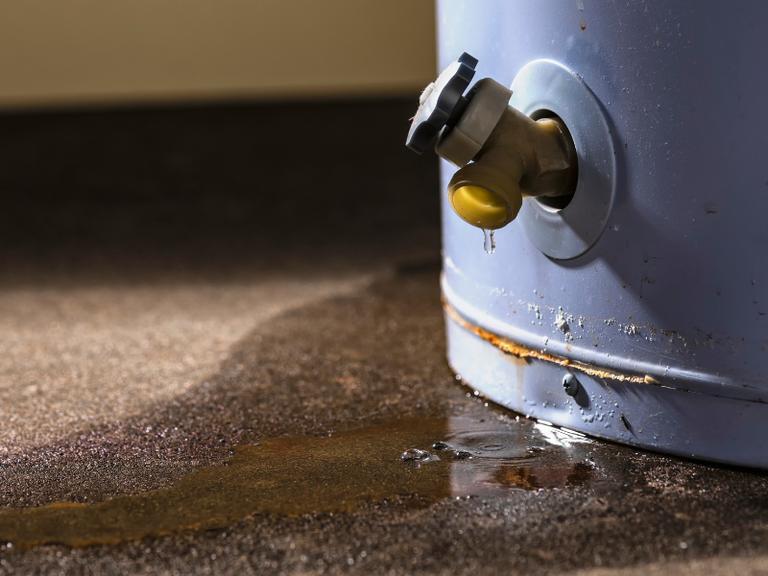
Water may leak from loose connections, valves, fittings, or the tank itself. Some moisture may also be caused by condensation, depending on the system and operating conditions.
What to watch for:
Water collecting beneath the heater
Rust or moisture around fittings
Dripping connections
Damp flooring near the unit
Signs of corrosion around the tank
If you notice active leaking, avoid touching electrical components or attempting repairs involving gas connections. A leaking tank may require replacement rather than a simple repair.
Popping, rumbling, or knocking sounds may indicate sediment buildup in a tank-style water heater.
As minerals settle near the bottom of the tank, they can interfere with normal heating and sometimes create unusual noises.
Not every sound indicates an emergency, but persistent or worsening noises deserve attention, especially when accompanied by reduced hot water performance.
A plumber can determine whether flushing, maintenance, or another repair is appropriate for your particular unit.
If hot water appears brown, yellow, or rusty, there may be corrosion or sediment somewhere in the plumbing system.
Possible sources include the water heater, aging pipes, or other components.
To narrow down the issue, compare the appearance of hot and cold water at more than one faucet. If only hot water is discolored, the water heater may warrant closer inspection.
Do not assume that replacing the water heater is automatically necessary. The cause should be identified first.
Water that suddenly turns cold or fluctuates between hot and lukewarm can make showers and daily household activities frustrating.
Possible causes include thermostat problems, heating element issues, mixing valve problems, mineral buildup, or tankless heater flow-related issues.
For gas-powered systems, burner or control issues may also affect heating performance.
Because water heaters involve electricity, gas, and potentially scalding temperatures, internal repairs should be handled by a qualified professional.
If your cold water pressure seems normal but hot water flows slowly, the issue may involve a restriction somewhere in the hot-water system.
Potential causes include mineral deposits, partially closed valves, clogged fixtures, or problems within the water heater or associated piping.
Low hot water pressure does not always mean the heater itself is failing. A plumbing inspection can help locate the restriction before unnecessary parts are replaced.
Water heaters do not last forever, and their expected service life varies based on the type of unit, water conditions, installation, and maintenance history.
Aging equipment may become less reliable or require increasingly frequent repairs.
Warning signs can include repeated component failures, corrosion, leaks, and declining hot water performance.
If your unit has needed multiple repairs recently, ask a plumber to compare the cost of another repair with the benefits of replacement.
Some water heater problems can wait for a scheduled appointment. Others require immediate attention.
Seek prompt professional assistance if you notice:
Significant water leaking or flooding near the heater
A suspected gas leak
Burning smells, smoke, or signs of electrical overheating
Water that becomes dangerously hot
A severely corroded or visibly damaged tank
If you smell gas, leave the area immediately, avoid operating switches or electrical devices, and contact your gas utility or emergency services from a safe location.
For an active water leak, stop using the affected system and shut off its water supply only if you can do so safely. Avoid handling electrical equipment in wet areas.
Not every water heater issue means you need a new unit.
A repair may be reasonable when the heater is otherwise in good condition and the problem involves a serviceable component.
Replacement may be more practical when the tank is leaking, the unit has extensive corrosion, repairs are becoming frequent, or the cost of fixing the problem is high compared with installing a new system.
A professional evaluation should consider the heater’s condition, repair history, capacity, safety, and your household’s hot water needs.
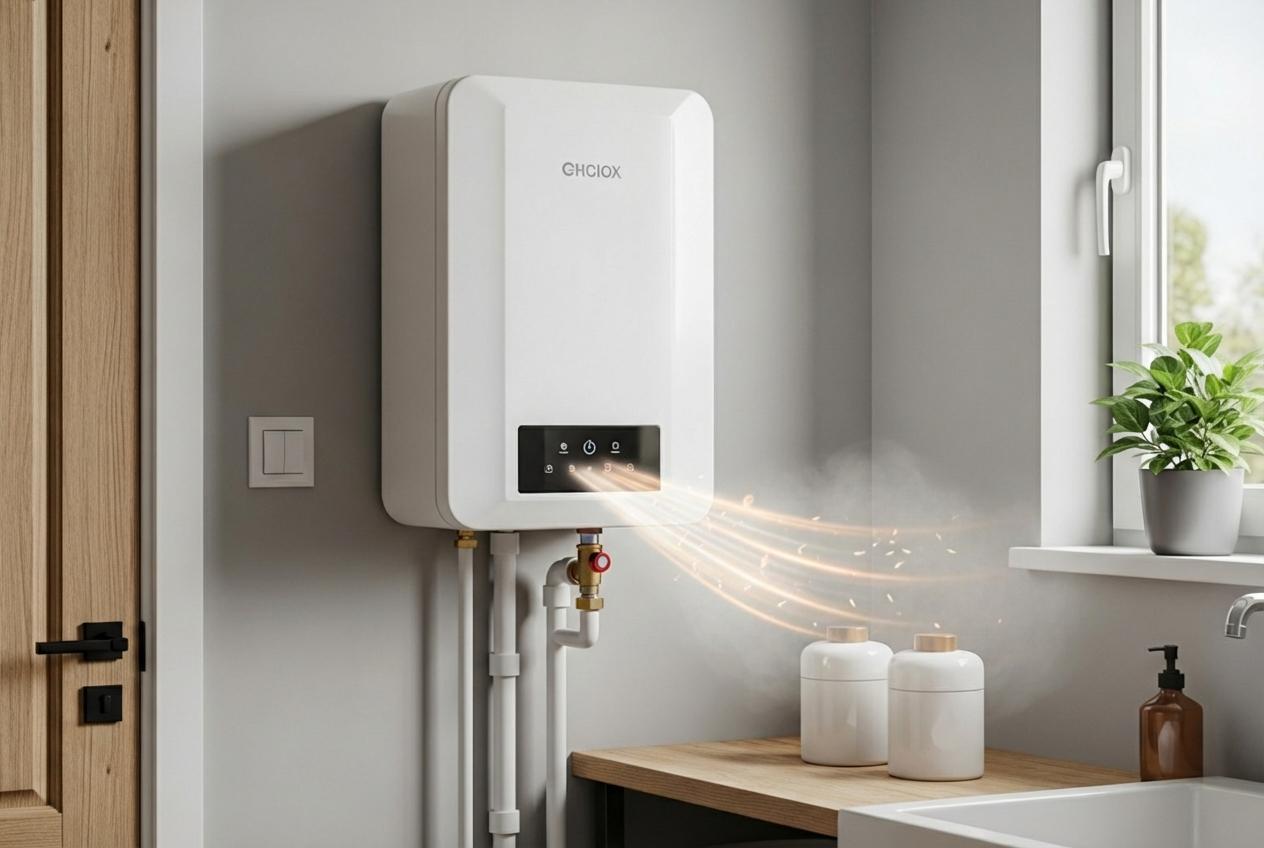
Traditional tank water heaters store heated water for household use. They are widely used and may have a lower initial installation cost than some tankless options.
Tankless water heaters heat water as needed, which can reduce standby energy losses. However, performance depends on system sizing, flow requirements, installation conditions, and maintenance.
When choosing between the two, consider:
Household hot water demand
Available installation space
Upfront installation costs
Energy efficiency
Maintenance requirements
Existing gas or electrical capacity
The right option depends on your home’s plumbing setup and how your household uses hot water.
Regular attention can help homeowners recognize problems before they become more serious.
Here are a few practical habits:
Check for visible leaks. Occasionally inspect the area around the heater for moisture, corrosion, or dripping fittings.
Pay attention to temperature changes. Unexpectedly hot or cold water may indicate a problem that needs evaluation.
Schedule appropriate maintenance. Maintenance needs vary by manufacturer, model, and water conditions. Follow the manufacturer’s instructions for inspection, flushing, and servicing.
Keep the surrounding area clear. Avoid storing combustible materials or unnecessary items around the unit, and maintain required clearances.
Respond to recurring symptoms. Repeated noises, reduced hot water, or persistent leaks should not be ignored.
For safety, leave internal electrical, gas, and pressure-relief system work to qualified professionals.
A water heater problem can affect your daily routine and potentially cause damage when left unresolved. Whether you’re dealing with inconsistent hot water, unusual noises, leaks, or an aging system, identifying the underlying cause is the first step toward an appropriate solution.
Dejusto Plumbing provides plumbing services for homeowners in Windsor and surrounding Sonoma County communities. Our team can help you evaluate water heater concerns and determine the next steps for repair or replacement.
Call Dejusto Plumbing at (707) 322-9873 to discuss your water heater problem and schedule service.